
What is a heat exchanger and how does it work?
A heat exchanger is a device designed to transfer thermal energy from one fluid to another without allowing the two to come into direct contact.
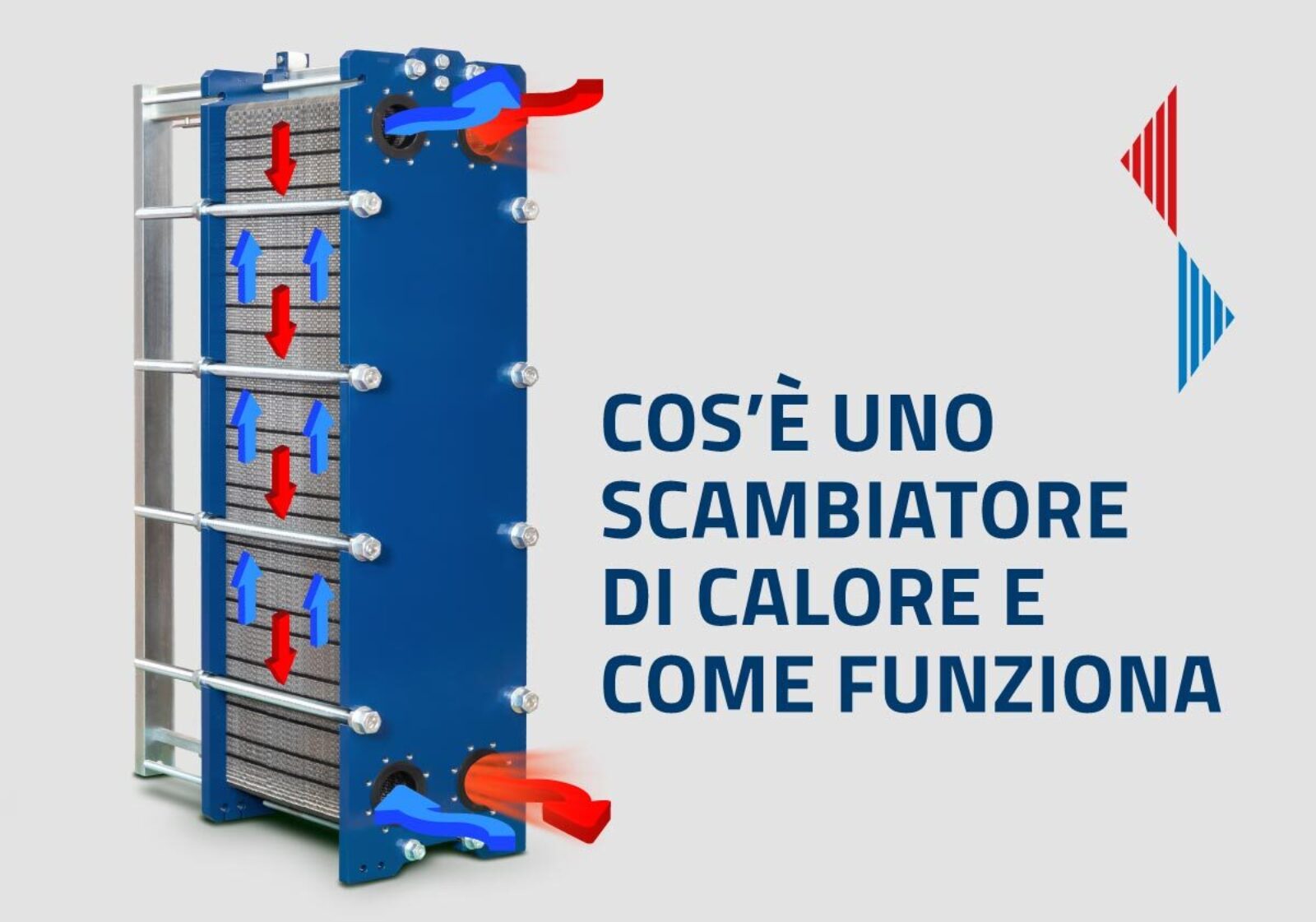
A heat exchanger is a device designed to transfer thermal energy from one fluid to another without allowing the two to come into direct contact. It is a fundamental technology in numerous industrial sectors, ranging from heating and cooling in HVAC systems to applications in production processes such as the food, energy and marine industries.
The principle is simple: two fluids at different temperatures flow through separate channels divided by thin metal surfaces. Heat transfers from the hotter fluid to the colder one, ensuring an efficient, safe and controlled process.
Types of heat exchangers
There are several types of heat exchangers, each suitable for specific applications. Among the most common:
- Plate heat exchangers, such as those produced by Cipriani PHE, known for efficiency, compactness and ease of maintenance.
- Shell-and-tube heat exchangers, used in high-pressure environments or with contaminated fluids.
- Brazed plate heat exchangers, selected according to pressure, temperature and the type of fluid involved.
Cipriani PHE plate heat exchangers are among the most versatile and high-performance solutions for HVAC and industrial applications.
How a plate heat exchanger works
In plate heat exchangers, heat is transferred through a series of thin, corrugated plates that create alternating channels for the hot and cold fluids.
The modular design allows operators to:
- obtain a large heat transfer surface in a small footprint;
- easily adjust thermal capacity;
- perform maintenance or cleaning quickly.
To explore technical operation and available configurations, visit the dedicated sections on gasketed plate heat exchangers or brazed plate heat exchangers.
Materials and configurations
The choice of materials is crucial to ensure durability and efficiency. Frames can be made of carbon steel or stainless steel, while plates can be manufactured from specific materials such as titanium, Hastelloy or nickel, depending on the fluids handled and operating conditions.
Discover the available configurations and materials on the Cipriani PHE website.
Maintenance and original spare parts
Maintaining high efficiency in a heat exchanger requires proper periodic maintenance. Through the MyPHE web app, Cipriani PHE allows users to quickly access the configuration of their heat exchanger and request original spare parts easily and accurately.
Cipriani PHE heat exchangers: quality and sustainability
For more than 30 years, Cipriani PHE has been designing and manufacturing high-efficiency plate heat exchangers, up to 95% recyclable, engineered to guarantee reliability, performance and environmental sustainability.
Each product is developed to meet the customer’s needs, with traceable materials, customized solutions and continuous technical support.
Learn more about industrial applications and Cipriani PHE’s commitment to efficient and responsible production.